

Finding the best tortoise available requires greater than just surfing listings-- it requires comprehending types requirements, breeder qualifications, and long-term care commitments. Whether you're searching to acquire tortoise online or checking out regional dog breeders, making an educated decision ensures you welcome a healthy friend that might live 50-100+ years. This thorough guide strolls you with every little thing from choosing trusted resources to picking in between preferred types like the cream color sulcata tortoise available or unique emitted turtle to buy options. Allow's discover how to discover your optimal shelled buddy while staying clear of typical pitfalls that plague unskilled customers.
Understanding Different Tortoise Species Available
Popular Tortoise Species for First-Time Owners
Not all turtles match beginners equally. The Russian tortoise, Greek turtle, and Hermann's tortoise deal workable dimensions (6-10 inches) and simple treatment requirements. These types adapt well to interior units and moderate climates, making them exceptional starter choices when looking for tortoise available.
The ivory sulcata turtle available for sale stands for a spectacular shade morph of the African spurred tortoise. While aesthetically striking with cream-colored shells, sulcatas expand remarkably huge (80-150 extra pounds) and need significant outside area in cozy environments. These mild giants require experienced keepers that can offer appropriate housing and diet plan.
Unique and Rare Tortoise Species
The aldabra turtle available ranks among the world's largest turtle varieties, reaching weights over 500 extra pounds. Indigenous to Aldabra Atoll in the Seychelles, these wonderful creatures call for customized licenses, large outside environments, and significant financial investment. Just progressed caretakers with proper centers ought to take into consideration Aldabra tortoises.
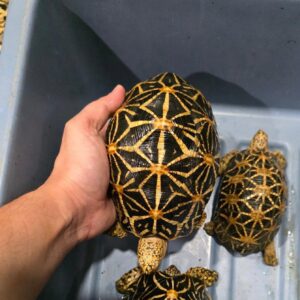
Radiated turtle available listings include one of the world's most beautiful turtle varieties, displaying striking celebrity patterns on their shells. Regrettably, they're critically endangered and greatly regulated. Legal acquisition needs CITES paperwork, and their sensitivity to temperature fluctuations demands specific husbandry.
Real albino turtle up for sale stands for a very uncommon genetic variant. These leucistic or amelanistic specimens lack typical coloring, presenting white or light yellow coloring. Due to their rarity and unique treatment needs (boosted UV level of sensitivity), they regulate costs rates and need dedicated seasoned owners.
Exactly How to Buy Tortoise Online Safely
Verifying Breeder Credentials
Trusted dog breeders supply:
In-depth health records including hatching out dates and feeding history
Clear pictures showing shell problem, eyes, and task level
Species-specific treatment sheets showing expertise
Referrals from previous clients
Transparency about reproducing methods and lineage
Prevent vendors that decline video calls, offer vague health details, or pressure immediate purchases. Legit dog breeders motivate questions and intend to make certain correct matches between turtles and caretakers.
Essential Pre-Purchase Questions
Prior to committing to any turtle available, ask:
What's the turtle's exact age and origin (captive-bred vs. wild-caught)?
Can you offer vet health certifications?
What has the turtle been eating, and exactly how commonly?
What are your return/guarantee policies?
Do you provide post-purchase support?
Responsible breeders appreciate detailed questions and see them as indicators of serious, ready buyers.
Understanding Shipping and Delivery
When you purchase tortoise online, correct delivery methods protect against tension and injury:
Overnight shipping only with temperature-controlled packaging
Live arrival warranties from credible shippers
Early morning delivery to lessen transport time
Weather holds throughout extreme temperatures
Appropriate insulation with warm or awesome packs as needed
Never ever approve standard ground delivery for real-time tortoises. The additional over night delivery price (usually $45-75) ensures your brand-new friend arrives healthy and worry-free.
Secret Factors When Choosing Your Tortoise.
Size and Space Requirements.
Tiny Species (6-10 inches):.
Russian, Greek, Hermann's tortoises.
Minimum 4x8 feet room.
Suitable for indoor/outdoor configurations.
Tool Species (12-18 inches):.
Leopard, red-footed, yellow-footed tortoises.
Minimum 8x8 feet room.
Prefer outdoor real estate in ideal climates.
Huge Species (20+ inches):.
Sulcata, Aldabra tortoises.
Call for considerable outside lawns (500+ square feet).
Not appropriate for apartment or condo living.
Climate Compatibility.
Your geographic area significantly impacts varieties viability. read more like sulcatas prosper in hot, dry environments but struggle in moist regions. Exotic types like red-footed tortoises need moisture and heat year-round. Research your neighborhood environment prior to selecting a types to lessen synthetic environment control costs.
Life Expectancy and Long-Term Commitment.
Tortoises frequently outlast their proprietors:.
Small types: 40-80 years.
Tool varieties: 50-100 years.
Huge species: 80-150+ years.
This dedication covers generations. Consider your age, living scenario stability, and estate planning when earning a turtle. Many owners include turtle care arrangements in their wills.
Wellness Indicators of Quality Tortoises.
Visual Health Assessment.
Healthy turtles present:.
Clear, sharp eyes without discharge or swelling.
Company, smooth coverings cost-free from pyramiding, fractures, or soft places.
Active actions with responsive motion when approached.
Tidy nose and mouth without bubbles, mucus, or hissing.
Well-formed limbs with solid, worked with strolling.
Stay clear of tortoises showing up sluggish, with sunken eyes, shell problems, or labored breathing. These indicate underlying wellness issues requiring instant veterinary treatment.
Recognizing Tortoise Behavior.
When seeing a tortoise up for sale, observe its all-natural actions:.
Positive indications:.
Curious expedition of setting.
Vigorous feeding response.
Normal basking and hiding patterns.
Proper response to handling.
Caution indicators:.
Extreme hiding or sleepiness.
Rejecting food for extended periods.
Irregular breathing sounds.
Shell or arm or leg deformities.
Vet Health Certificates.
Trusted vendors offer recent vet assessments documenting:.
Fecal parasite screening outcomes.
Respiratory analysis.
Covering and skin disease assessment.
Total health and wellness ranking.
Vaccination records (if suitable).
Never ever buy tortoises without present health certifications. This documents shields your financial investment and ensures you're bringing home a healthy and balanced pet.
Establishing Before Your Tortoise Arrives.
Vital Equipment Checklist.
Habitat essentials:.
Appropriate-sized enclosure (inside or outdoors).
Heat light and UVB illumination (10-12 hours daily).
Temperature level slope (75-95 ° F relying on varieties).
Moisture control systems.
Safe and secure hiding areas.
Water recipe for saturating.
Nutrition materials:.
Species-appropriate food (leafy eco-friendlies, grasses, veggies).
Calcium supplement with vitamin D3.
Food and water recipes.
Kitchen scale for monitoring weight.
Maintenance tools:.
Thermostat and hygrometer.
Substrate (cypress mulch, coconut coir, or topsoil).
Cleaning supplies.
Very first aid package.
Developing the Ideal Environment.
Temperature level guideline prevents most tortoise illness. Set up high quality thermostats managing warmth resources, and keep correct temperature level slopes permitting thermoregulation. UVB lighting verifies non-negotiable for calcium metabolism and covering health and wellness-- change bulbs every 6-12 months no matter of noticeable light result.
Substrate selection influences wellness substantially. Avoid sand, gravel, or cedar shavings. Opt for organic topsoil, coconut coir, or cypress compost keeping ideal moisture while protecting against impaction threats.
Pricing and Investment Considerations.
Understanding Tortoise Pricing.
Tortoise rates differ drastically by species, age, and morph:.
Affordable options ($ 100-$ 300):.
Russian turtles.
Greek turtles.
Child Hermann's tortoises.
Mid-range species ($ 300-$ 800):.
Leopard turtles.
Red-footed tortoises.
Adolescent sulcatas.
Costs and uncommon morphs ($ 1,000-$ 10,000+):.
True albino tortoise to buy: $3,000-$ 15,000+.
Aldabra turtle available: $5,000-$ 20,000.
Emitted turtle available for sale: $2,000-$ 8,000 (with licenses).
Cream color sulcata turtle available: $800-$ 3,000.
Ongoing Care Costs.
Budget plan yearly costs including:.
Electrical energy (heating/lighting): $300-$ 600.
Food and supplements: $200-$ 500.
Veterinary treatment: $150-$ 400.
Substratum and supplies: $100-$ 300.
Total yearly prices: $750-$ 1,800.
Huge types need considerably higher investments, particularly for outside room building, fence, and increased food quantities.
Expert Tips for New Tortoise Owners.
Based on 15+ years collaborating with tortoise caretakers, these understandings protect against typical blunders:.
Begin with captive-bred babies or juveniles. They adjust much better to bondage than wild-caught adults and permit you to establish correct treatment routines initially.
Sign up with tortoise neighborhoods prior to acquiring. On the internet online forums, neighborhood reptile clubs, and Facebook groups provide indispensable species-specific guidance and repairing support.
Prepare rooms 2 weeks early. This allows you to maintain temperatures, moisture, and examination all devices before your tortoise shows up, removing stress during the important adjustment duration.
Develop vet connections immediately. Situate unique animal veterinarians concentrating on reptiles before emergencies take place. Numerous basic practice vets do not have tortoise expertise.
Document every little thing. Photo your turtle frequently, track feeding schedules, and monitor weight monthly. This paperwork assists recognize subtle wellness modifications early.
Lawful Considerations and Permits.
Tortoise possession laws differ substantially by place:.
Federal policies: CITES-listed varieties require documents.
State laws: Some states prohibit certain species.
Local regulations: Cities might restrict exotic family pet ownership.
House owner associations: Review residential or commercial property regulations prior to purchasing.
Research study suitable regulations prior to purchasing any turtle available. Unlawful belongings leads to confiscation, fines, and possible criminal charges.
Verdict.
Locating the right tortoise available integrates research, persistence, and dedication to long-term care. Whether you pick to buy tortoise online from established breeders or check out regional unique animal experts, prioritize health, lawful compliance, and types suitability over price or aesthetics alone. Keep in mind that specialized morphs like the cream color sulcata tortoise offer for sale or true albino turtle for sale need advanced treatment, while rare species like aldabra tortoise for sale and radiated tortoise for sale need considerable resources and competence.
Your turtle will likely outlast most pets-- possibly becoming a multi-generational family members friend. This incredible long life makes selecting the right person and offering exceptional treatment from the first day absolutely crucial. Spend time in preparation, ask detailed inquiries, and never ever thrill this crucial decision. Your future shelled pal deserves nothing less than a completely matched, long-lasting home.
Frequently Asked Question Schema Section.
Q: How much does a tortoise to buy typically set you back?
A: Tortoise rates range from $100-$ 300 for usual species like Russian tortoises to $10,000+ for unusual morphs like true albino turtles or threatened types like radiated turtles. Mid-range species usually set you back $300-$ 800.
Q: Is it secure to acquire tortoise online?
A: Yes, when buying from reputable dog breeders that supply health certifications, use over night shipping with real-time arrival guarantees, and deal post-purchase assistance. Constantly confirm breeder qualifications and request video calls before purchasing.
Q: What's the most effective turtle types for newbies?
A: Russian, Greek, and Hermann's tortoises make outstanding very first turtles because of manageable sizes (6-10 inches), simple treatment needs, and versatility to various living situations.
Q: Do I require licenses to own a tortoise?
A: Requirements differ by species and location. CITES-listed varieties like radiated tortoises need government paperwork. Some states ban specific types totally. Constantly study federal, state, and local regulations prior to buying.
Q: How long do pet tortoises live?
A: Most turtles live 50-100+ years with appropriate treatment. Tiny varieties commonly live 40-80 years, while large types like Aldabra turtles can exceed 150 years, making them possible multi-generational relative.